The model
What is Team Psychological Safety?
“A shared belief by members of a team that the team is safe for interpersonal risk-taking.”
— Amy C. Edmondson, Harvard Business School
It lives at the team level.
Not the individual, not the whole organisation — the team. It's about the interpersonal risks people take with one another: speaking up, admitting a mistake, asking for help, challenging an idea.
When a team is safe for those risks, it can learn together out loud. And team learning is what turns a group of capable individuals into a high-performance team.
Team Psychological Safety
Team Learning
Team Performance
The TEAM.AS.ONE model
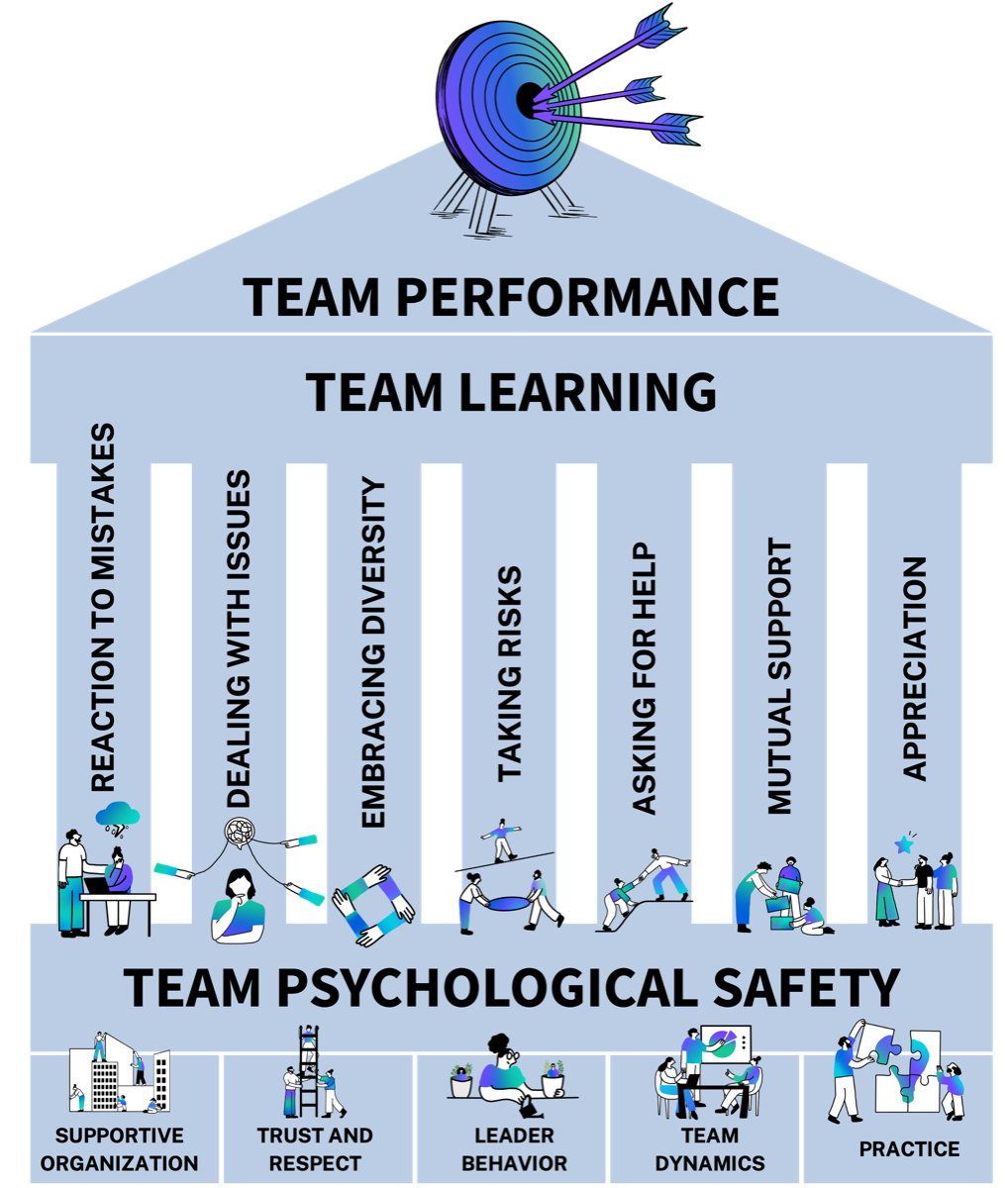
We picture it as a Parthenon: team performance sits at the top, held up by the seven elements as pillars, resting on the five foundations as the base.
The pillars
The seven elements
Together, these seven make team psychological safety observable — and workable. Their aggregate is a team's psychological safety.
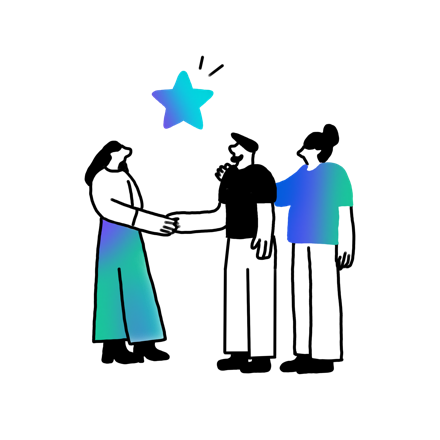
Appreciation
Each person's unique skills and contributions are recognised and put to use — people feel genuinely valued.
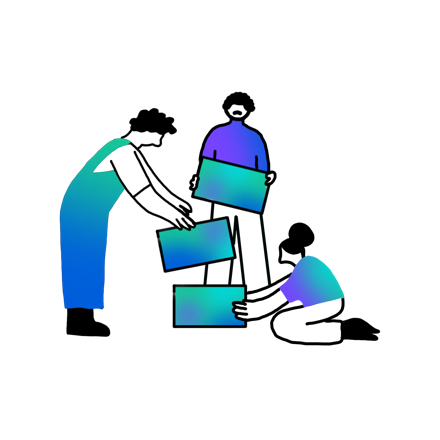
Mutual Support
People have each other's backs — no one acts in a way that undermines a colleague's efforts.

Embracing Diversity
Differences are treated as a source of better thinking, never a reason to reject someone.
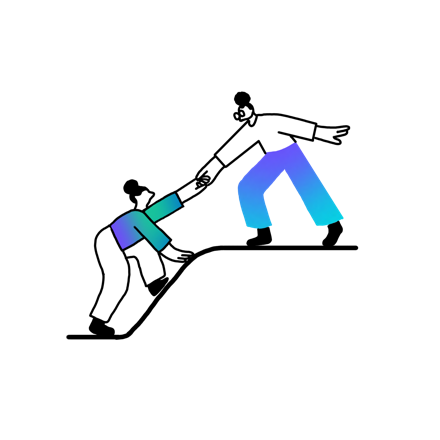
Asking for Help
Needing help is normal here — asking for it is a sign of strength, not weakness.
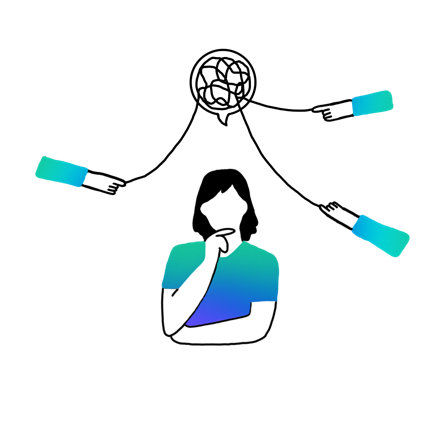
Dealing with Issues
Tough problems and difficult topics get raised and worked through, not buried.
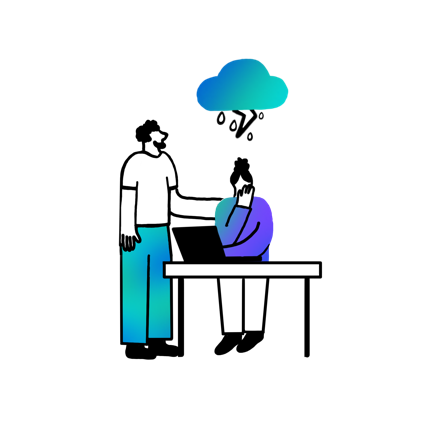
Reaction to Mistakes
When someone makes a mistake it isn't held against them — the team looks for the learning. It's the reaction that matters.
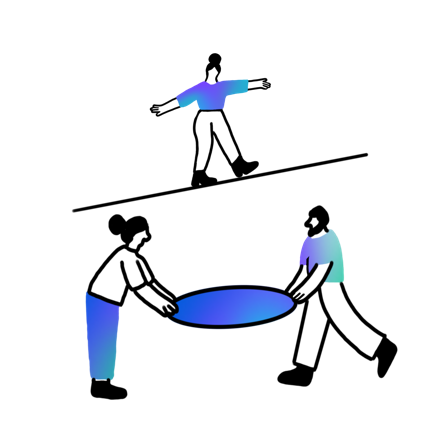
Taking Risks
It's safe to stick your neck out with a new or unproven idea.
Hover over each element to read what it means.
The base
The five foundations
If the seven elements are what you measure, the five foundations are what you build on. Leader behaviour is the single biggest lever.
Trust & Respect
The baseline regard between members — assuming good intent — that everything else is built on.

Leader Behaviour
How the leader role-models, responds, and enables — the single biggest lever on a team's psychological safety.
Team Dynamics
The team's own norms, habits, and patterns of interaction.
Supportive Organization
The wider organisation that either enables psychological safety or gets in its way.
Practice
Teams get better by practising — a sports team or music group practices far more than it performs.
Hover over each foundation to read what it means.
For leaders
Why any leader should care
Team psychological safety doesn't belong in the HR department — it belongs in your team, with you as the leader. Here's why it drives your team's performance, and your own.
Know it. Measure it. Act on it.
Working on team psychological safety comes down to three things.
Know
Understand what it really is — the model, the seven elements, the five foundations. That's this page.
Measure
See where a team actually stands with the TPS for Team and TPS for Leader reports.
Explore the assessments →Act
Turn the results into change — designing interventions and a toolkit of practical tools the team can use.
From the blog
Short, sharp thinking on where teams get stuck — and what to do about it.
Why teams eat culture for breakfast
Drucker said culture eats strategy — but why do teams in the same company differ so wildly? Perhaps teams eat culture.
Read the article (PDF) →It's really about the reactions
Speaking up and admitting mistakes are only half the story — it's the reaction that follows which decides what happens next.
Read the article (PDF) →Psychological Safety — The Wrong Label?
Why does psychological safety stay so misunderstood after all these years? Peter argues the real problem is the label itself.
Read the article (PDF) →Case studies
What this looks like in real teams.
A New Dynamic for a New HR Team
The HR team at Embracon — a leading Brazilian financial-services firm and long-standing Great Place to Work — used the TPS program to strengthen how the team worked together and better deliver on its innovation strategy.
Read the case study (PDF) →Technology · HR & L&DAccelerating Team Psychological Safety through Action Learning
An eight-person HR & L&D team in tech paired the TPS assessment with WIAL Action Learning — showing how the two together can lift an already-strong team even higher.
Read the case study (PDF) →Manufacturing · Leadership teamImproving Collaboration in a Manufacturing Leadership Team
After a disappointing company-wide survey, a 10-person factory leadership team combined Belbin® Team Roles, the TPS assessment, and Action Learning to turn the findings into concrete action over three months.
Read the case study (PDF) →Ready to see where your team stands?
Knowing the model is the start. Measuring is how you make it real.