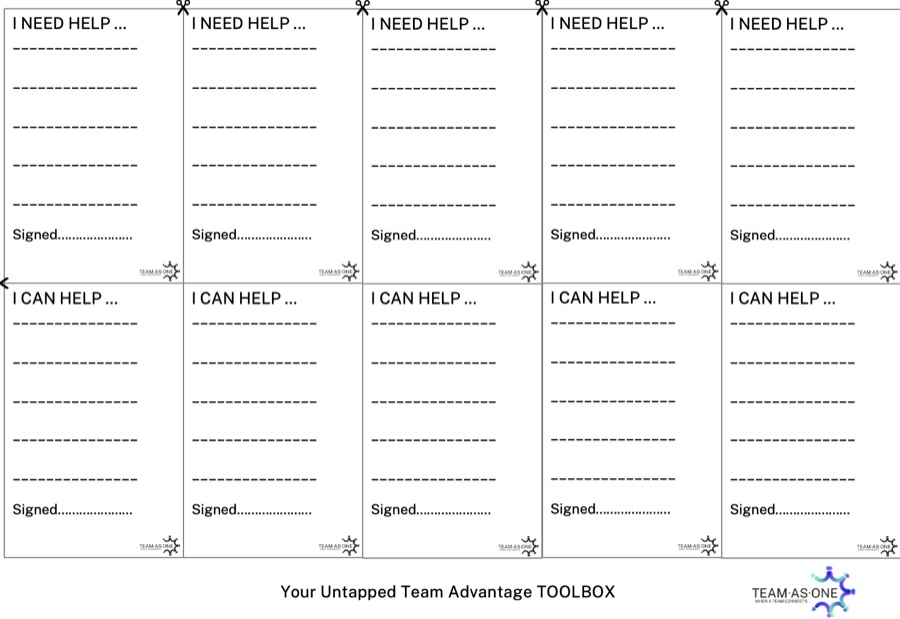
Help Board
Tool #5 in Chapter FiveAsking for help — and offering help — becomes easier with the simple Help Board. After getting familiar with it in a workshop setting, team members can use the Help Board as an ongoing team routine.
The book's companion
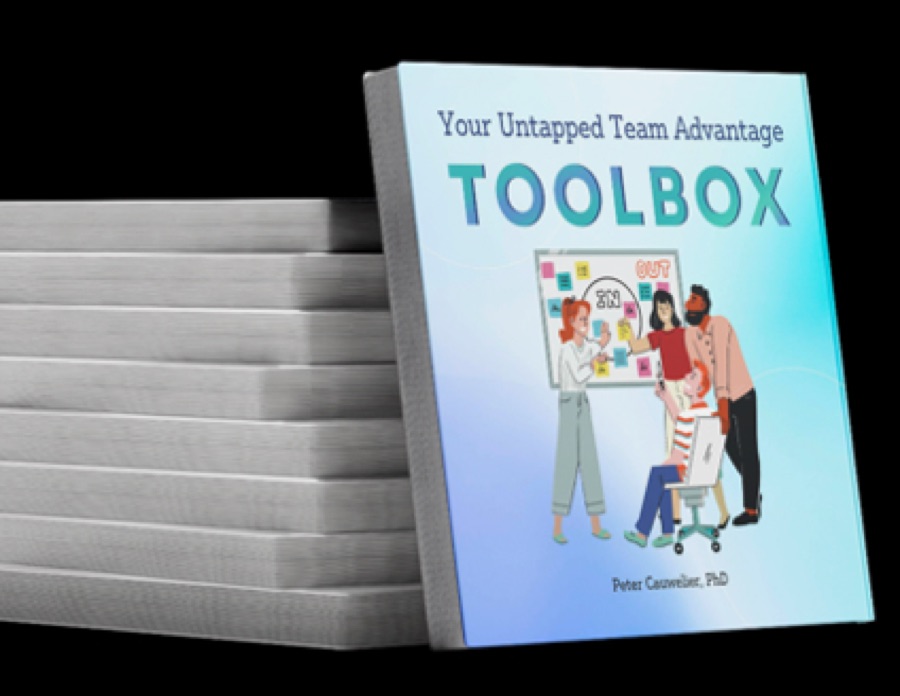
Your Untapped Team Advantage Toolbox answers the question every leader asks: “Yes, but HOW can I build psychological safety in my team?” — with tools for each of the five foundations and seven elements. The templates for those tools live here, free to download.
And what does Professor Edmondson think of the Toolbox? Well — asking for help is one of the seven elements, so Peter… asked her. The book carries her endorsement, just like his first.
Templates
Each template is explained fully in its chapter of the Toolbox.
Asking for help — and offering help — becomes easier with the simple Help Board. After getting familiar with it in a workshop setting, team members can use the Help Board as an ongoing team routine.
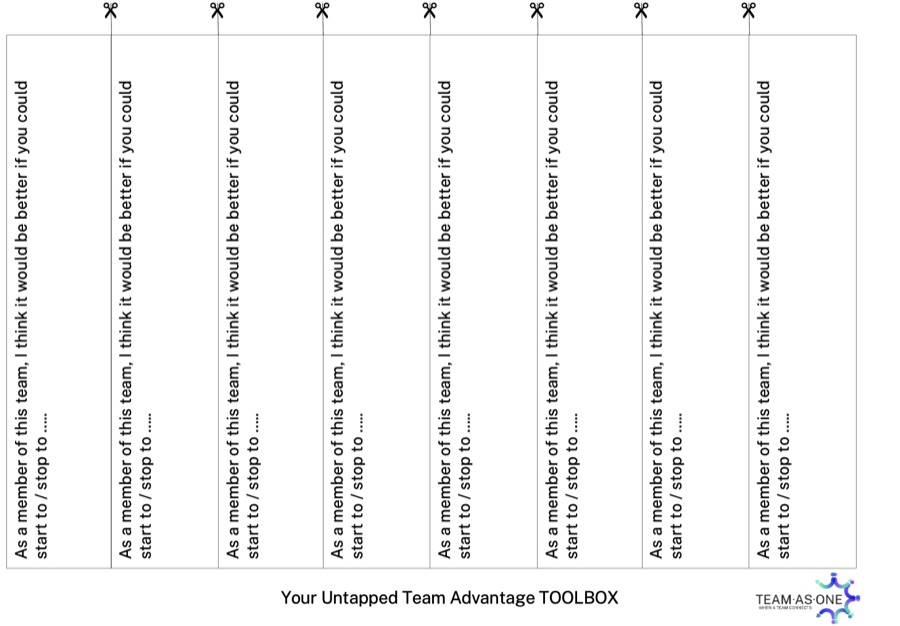
Helps team members get used to giving and receiving feedback from every other member of the team, not just the team leader. Cut the template into strips and let each member write down what they appreciate (continue) and what they suggest should change (start or stop).
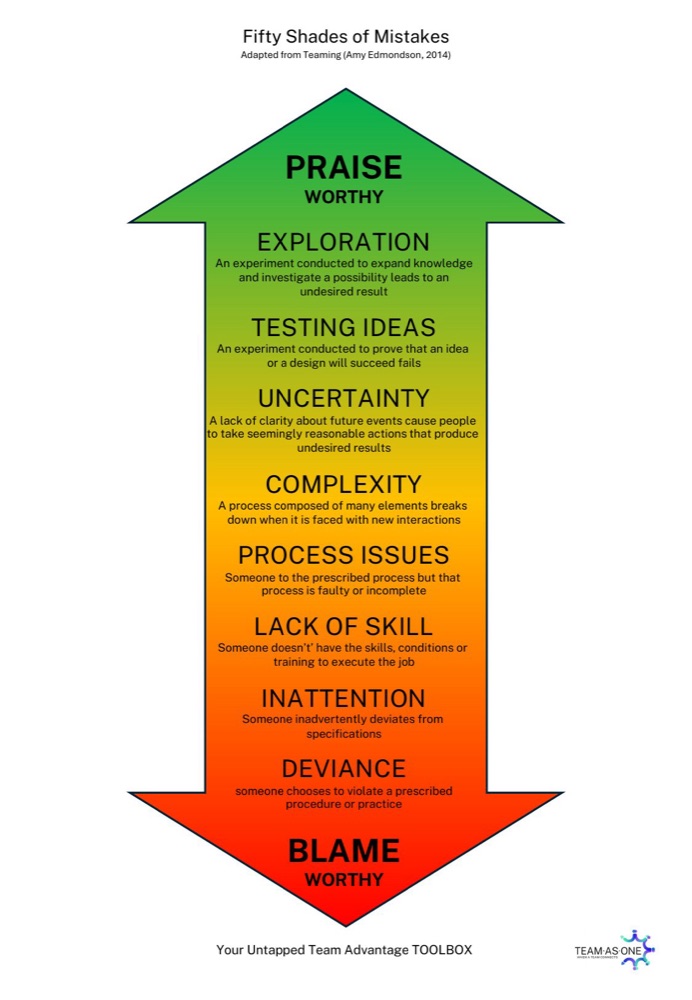
Identify the root cause of a mistake on the spectrum, and discover which ones are worthy of praise and which do indeed deserve blame. Too often the default reaction is to assign blame — this tool allows a meaningful conversation about mistakes, focused on learning from them.
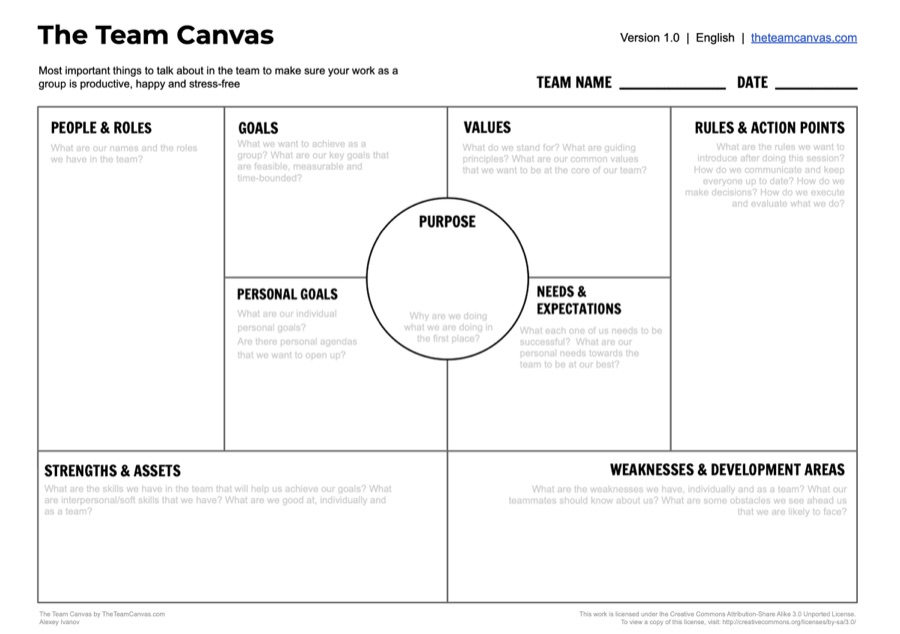
The team canvas is a key part of a team's identity: it describes the team's purpose, how members want to work together, and how they deal with issues. Many formats exist — the key is to pick one to start with, then make sure the team owns it and adapts it as they wish.
Measure where your team stands, or bring Peter in to work with the team directly.